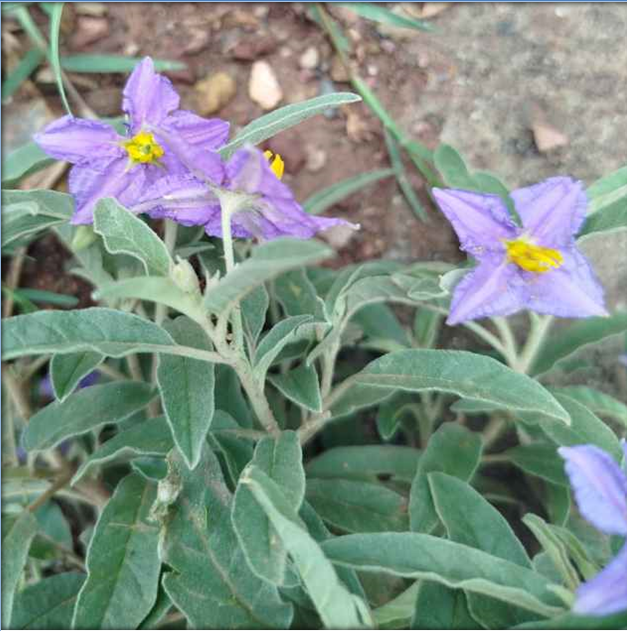
Dr. Aneel and Dr. Aamir are exploring a member of the family Solanaceae solanum elaeagnifolium collected from Mujahid Town, near Sanjhani Toll Plaza, Islamabad. According to available floristic records, the species is predominantly distributed in the arid and semi-arid regions of Balochistan and Sindh.
Its occurrence in Islamabad may indicate a possible range extension, potentially influenced by changing climatic conditions, altered rainfall patterns, increasing temperatures, anthropogenic disturbances, or other environmental factors. The species was observed growing naturally in its habitat, suggesting its possible successful establishment under the prevailing ecological conditions.
The Pakistan Museum of Natural History (PMNH) has documented and published the first record of pelecypod fossils from the Dhok Pathan Formation in the vicinity of Hassnot Village, District Jhelum, Pakistan.
The discovery was made by Mr.Aamir Yaseen and Dr. Dr. Hamad ur Rahim geologist from the Earth Sciences Division (ESD), PMNH, during paleontological investigations in the area. A total of 50 pelecypod fossil specimens were collected, of which 17 well-preserved specimens were selected for detailed taxonomic study. The specimens were systematically examined and identified at the genus level.
The study identified five distinct pelecypod genera: Solemya sp., Nuculana sp., Macoma sp., Acila sp., and Litorhadia sp. These fossils represent an important addition to the known diversity of pelecypods from the Late Miocene Dhok Pathan Formation. The Hassnot area is known for its rich fossil deposits, including vertebrate and invertebrate remains from different geological periods. The newly documented pelecypod assemblage therefore adds significant information to the paleontological record of the region.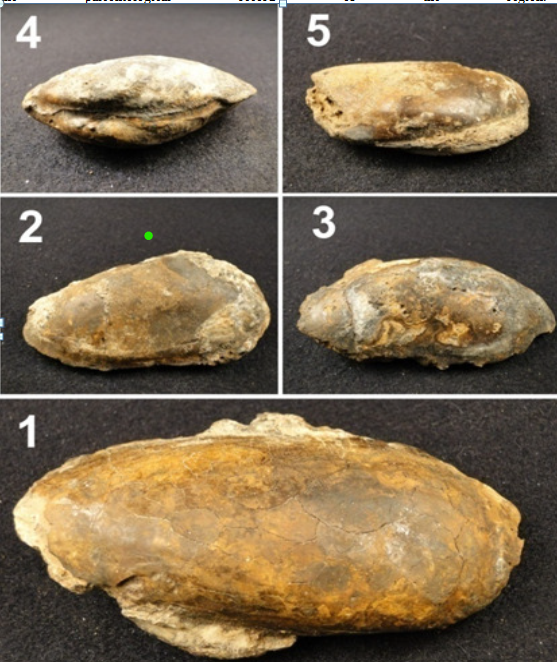
The occurrence of pelecypod fossils alongside a rich assemblage of vertebrate fossils from the Dhok Pathan Formation may provide valuable evidence for reconstructing the past environmental and ecological conditions of the region during the Late Miocene .The fossil specimens are now preserved in the Earth Sciences Repository at the Pakistan Museum of Natural History (PMNH) for future scientific research and study.
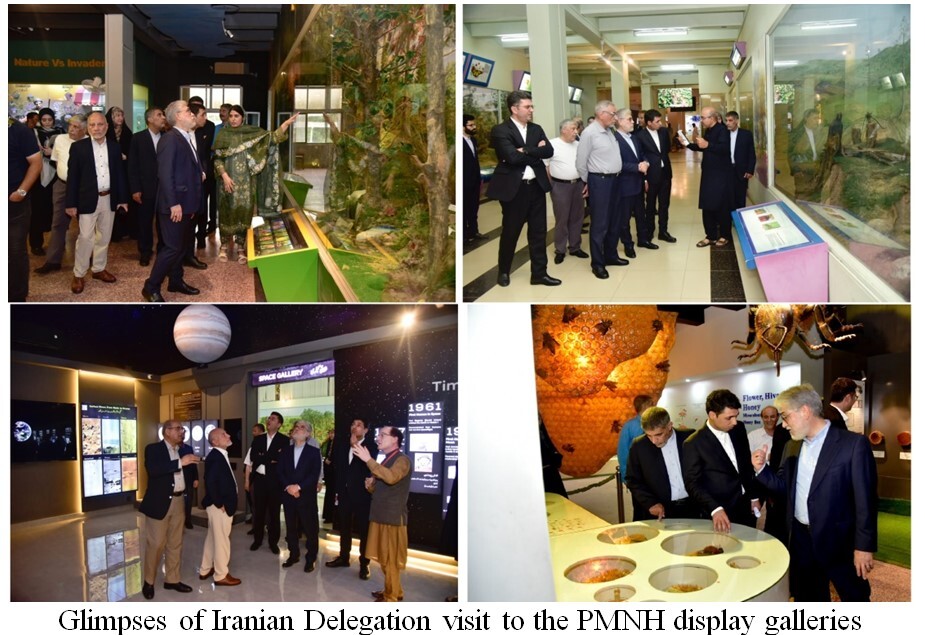
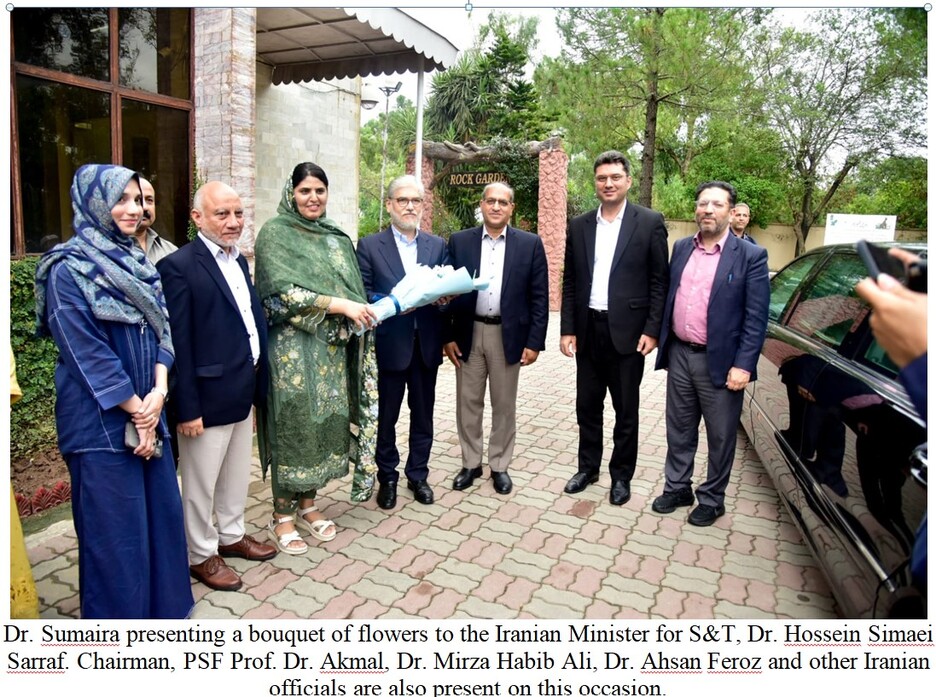
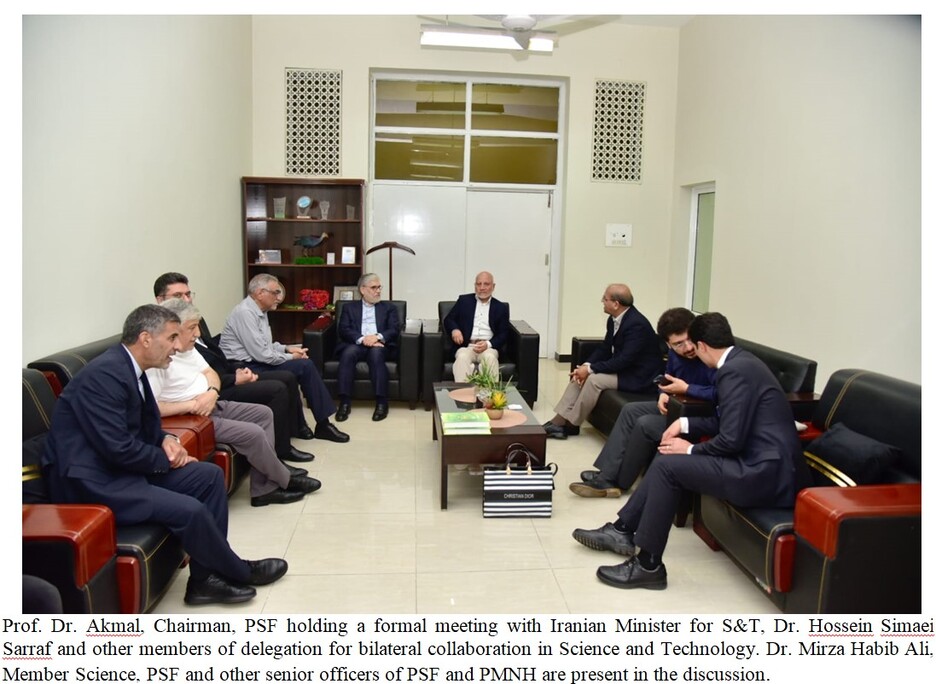
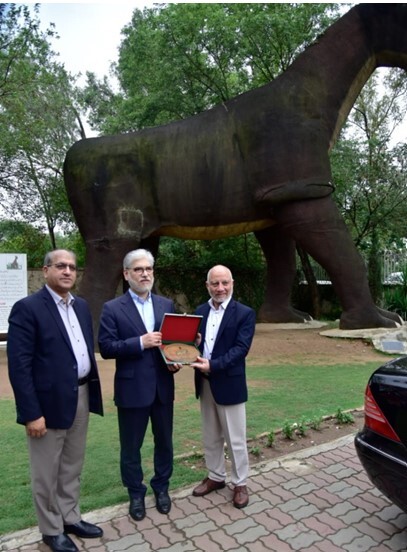
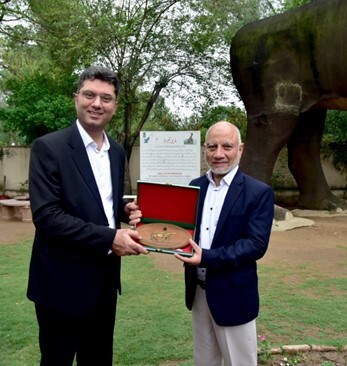
Pakistan Museum of Natural History (PMNH) has privileged to receive High-level delegation from the Islamic Republic of Iran led by Dr. Hossein Simaei Sarraf, Minister of Science, Research and Technology of the Islamic Republic of Iran on 22nd July, 2026. Prof. Mehdi Abtahi, Deputy Minister for Research, Ministry of Science, Research and Technology (MSRT); Prof. Ahmad Reza Roshan, Advisor to the Minister of Science, Research and Technology; Mr. Mahmoud Hojjati, ECO Coordinator at the Ministry of Foreign Affairs (MOFA), Islamic Republic of Iran and Prof. Seyed Komail Tayebi, President of the ECO Science Foundation (ECOSF) were accompanied the delegation . Prof. Dr. Muhammad Akmal, Chairman, Pakistan Science Foundation and senior officers of PMNH welcomed the Iranian delegation. On this occasion seniors officials of PSF and Ministry of Science and Technology were also present. Purpose of the visit is to memorize the PMNH display galleries and discuss the possible avenues for scientific collaborations in natural history research. Before the visit, Chairman, PSF held formal discussion with Iranian Minister for Science and Technology Dr. Hossein Simaei Sarraf and members of possible venues of bilateral cooperation between two brother countries in the field of science and technology. Later on, delegation visited the PMNH display galleries. Dr. Hossein Simaei Sarraf and Iranian delegation took keen interest in the depicted biodiversity and natural heritage of Pakistan displayed in the PMNH display galleries. Dr. Sumaira Sahreen, Dr. Mishkat Ullah and Mr. Muhammad Imran provided assistance during the visit of Iranian delegation. At the end of the visit Prof. Muhammad Akmal, Chairman, PSF presented souvenirs to the Dr. Hossein Simaei Sarraf and other senior Iranian officials
The Pakistan Museum of Natural History (PMNH) proudly celebrates a significant scientific achievement by Dr. Rafaqat Masroor, A.Curator, Zoological Sciences Division, who has contributed to the discovery and description of a previously unrecognized species of grass skink from Pakistan and Afghanistan as part of an international team of researchers.
The collaborative study, involving scientists from Pakistan, Germany, and Slovakia, combined extensive field surveys, detailed morphological examinations, and advanced DNA analyses to confirm that grass skink populations from Lower Dir, Khyber Pakhtunkhwa (Pakistan) and Nangarhar (Afghanistan) represent a distinct evolutionary lineage. The newly described species has been proposed as Heremites afghanicus, commonly known as the Afghan Grass Skink or Dir Grass Skink.
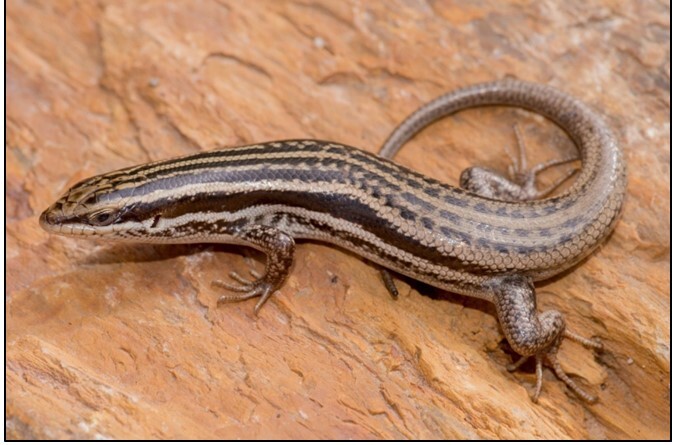
Afghan Grass Skink or Dir Grass Skink, discovered and identified by Dr. Rafaqat Masroor and team of International scientists
This discovery resolves a long-standing scientific mystery that dates back to 1972, when a single grass skink specimen was collected in eastern Afghanistan, nearly 700 kilometers from the newly discovered population in Pakistan. For more than five decades, this specimen remained the only known record of the species. Through comprehensive genetic and morphological analyses, researchers have now confirmed that the populations from Pakistan and Afghanistan belong to a unique species that has evolved independently over millions of years.
The study highlights the vital role of natural history museums in advancing biodiversity research. Historical museum collections, combined with modern molecular techniques and field exploration, provided the crucial evidence needed to connect the newly discovered Pakistani population with the original Afghan specimen, demonstrating the enduring scientific value of preserved museum collections.
As the species occurs across the border in both Pakistan and Afghanistan, its long-term conservation will require continued scientific collaboration and coordinated biodiversity conservation efforts between the two countries.
Scientist and others supportive staff of PMNH congratulates Dr. Rafaqat Masroor and all collaborating researchers on this outstanding contribution to herpetology and biodiversity science and zoological science. This achievement reinforces PMNH's commitment to excellence in scientific research, biodiversity documentation, and the conservation of Pakistan's rich natural heritage while strengthening the country's contribution to global biodiversity knowledge.
The Pakistan Museum of Natural History (PMNH), in collaboration with SUPARCO, inaugurated its newly developed Space Gallery on 15 July 2026. The ceremony was inaugurated by the Federal Secretary, Ministry of Science and Technology, Mr. Shahid Iqbal Baloch, in the presence of Chairman SUPARCO, Mr. Yousaf Khan, and Chairman Pakistan Science Foundation, Prof. Dr. Mohammad Akmal.
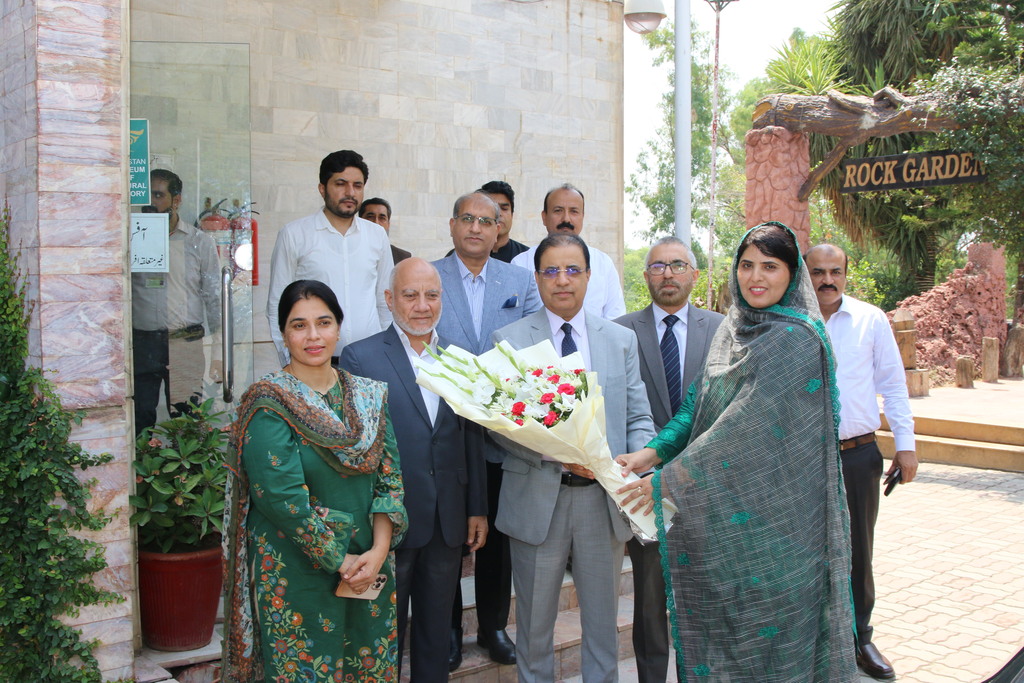
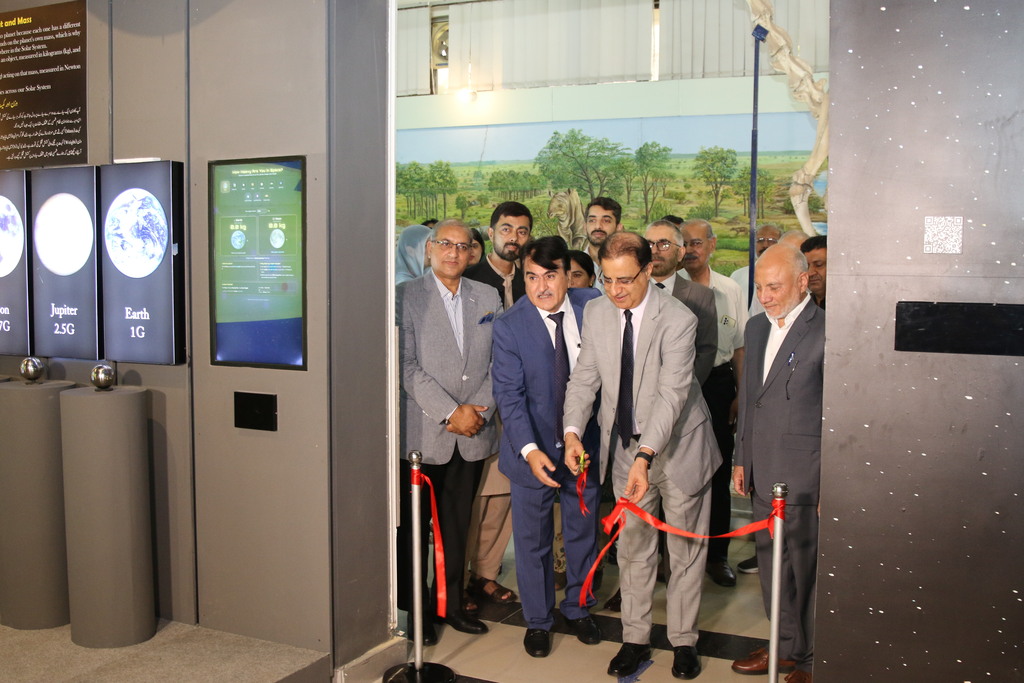
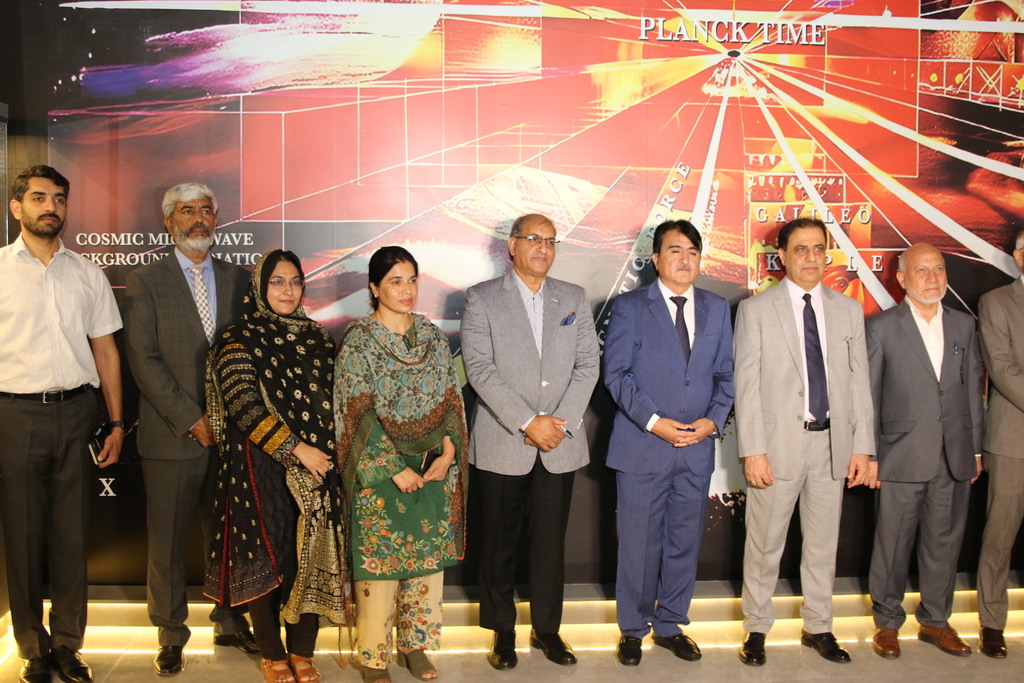
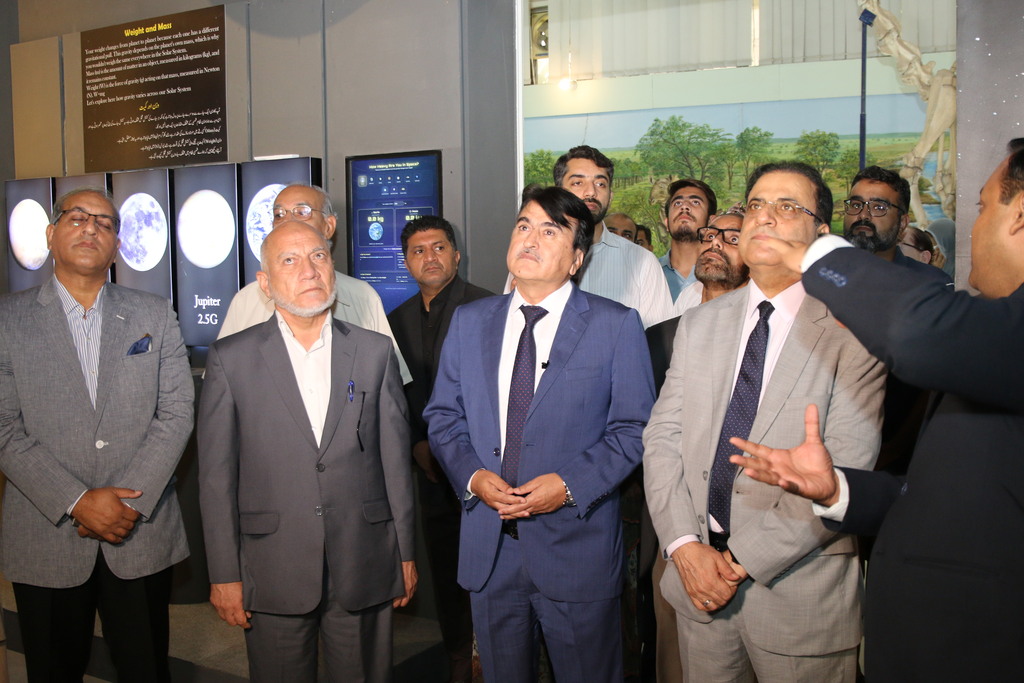
The Space Gallery features interactive exhibits highlighting Pakistan's achievements in space science and technology. The initiative marks a significant step towards promoting science education, enhancing public understanding of space science, and inspiring future generations to explore the fields of science, technology, and innovation. The gallery is now open to visitors at PMNH. |
BIODIVERSITY CHALLENGE BADGE 2026 |
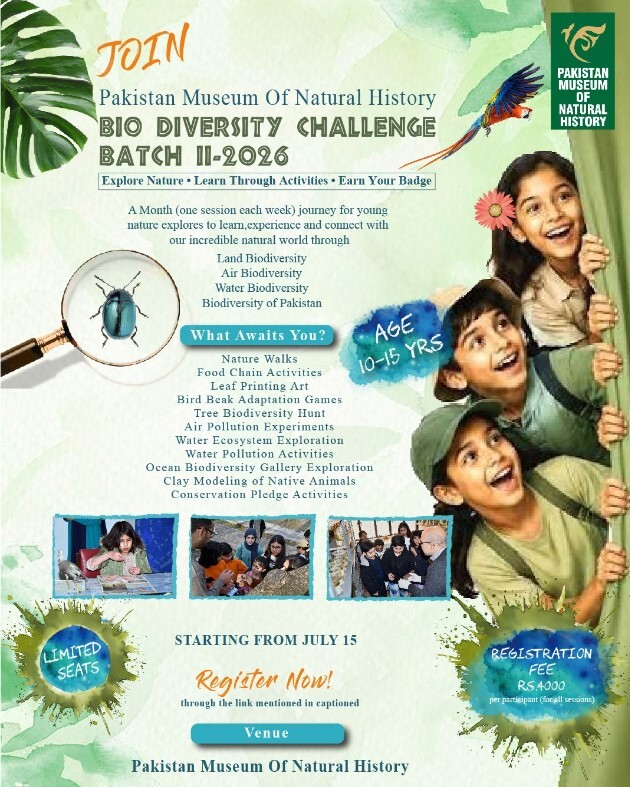
Explore Nature • Learn Through Activities • Earn Your Badge
Are you ready to become a young biodiversity explorer?
The Pakistan Museum of Natural History invites students to join the exciting Biodiversity Challenge Badge Program, a unique hands-on learning experience designed for students aged 11–15 years.
What will participants experience?
Discover:
Participants will receive:
✔️ Biodiversity Challenge Badge
✔️ Participation Certificate
✔️ Hands-on Learning Experience
✔️ Environmental Awareness Skills
Who can participate?
Students aged 11–15 years
Program Duration:
4 weekly sessions (one session each week)
Participation Fee:
Rs. 4000 per participant
Venue:
Pakistan Museum of Natural History
Learn about Pakistan’s amazing wildlife, ecosystems, and conservation through exciting activities and experiments.
Registration is now open!
Register online through the link below:
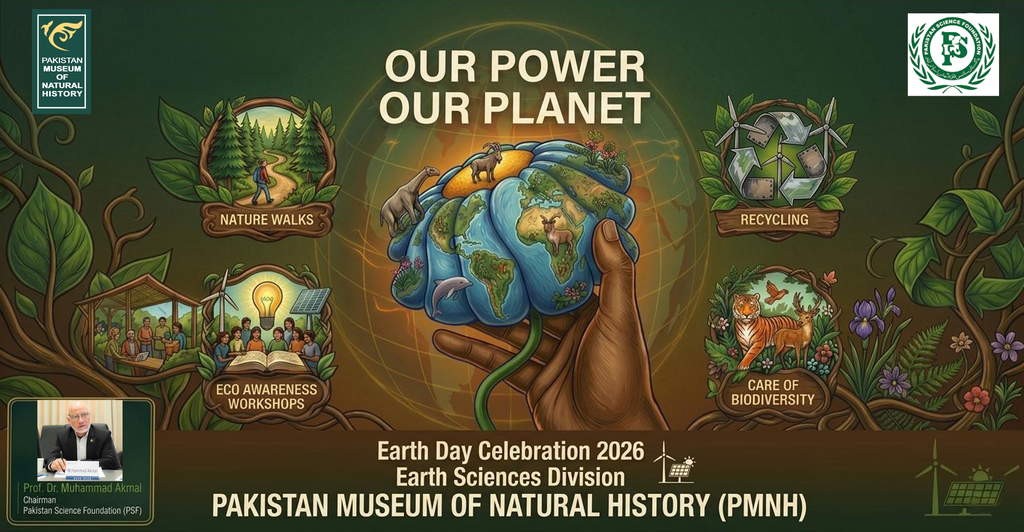
The Pakistan Museum of Natural History is commemorating Earth Day 2026 today, highlighting the critical importance of environmental conservation and sustainable practices. This observance aims to promote scientific awareness and collective responsibility for protecting our planet’s ecosystems. For the last few years, Earth Sciences Division (ESD) observed Earth Day on 22nd April of each year. Different activities were arranged to highlight the importance of this day like Nature photography and Nature Poster/Art & Drawing competition. Students invited from the different schools, colleges and universities to participate in the competitions. Earth day is celebrated in the whole world on 22nd April of each year to evaluate the changing environment of the earth.
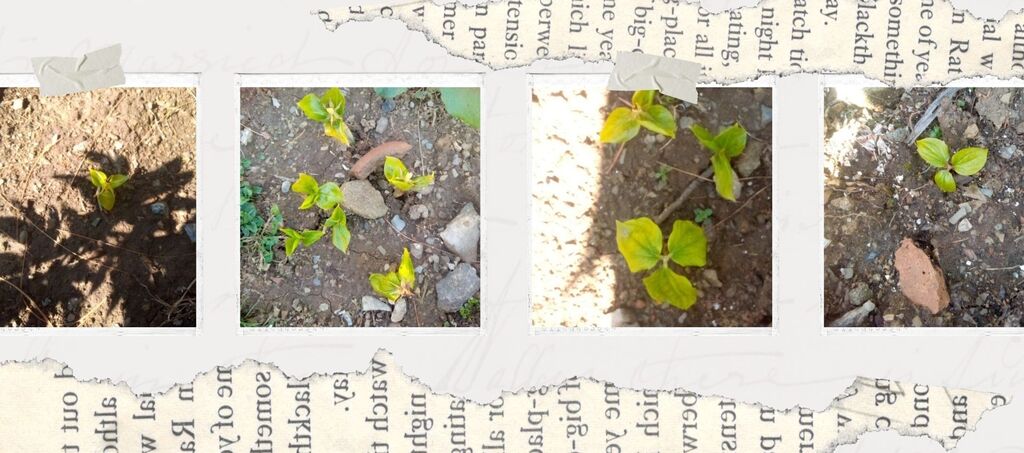
In March (2026), immediately following the snowmelt results of in situ trials of rhizome cuttings (Oct 2025, MBZ project's follow up) of the IUCN endangered Himalayan Trillium were conducted at three sites in Ayubia National Park. Carefully selected rhizomes were planted in their natural habitat to evaluate survival and establishment under early spring conditions. Remarkably, the trials showed a high success rate, with healthy shoots emerging and initial signs of strong establishment.
These results highlight the feasibility of rhizome propagation as a conservation strategy for this endangered species and provide a practical model for future restoration efforts in Himalayan forest ecosystems.
On World Wildlife Day 2026, an article published in Dawn (04.03.2026), for World Wildlife day march 3rd on this year's theme “Medicinal and Aromatic Plants: Conserving Health, Heritage and Livelihoods.”
Dawn-ePaper | Mar 04, 2026 | Page Metro - Islamabad https://share.google/VUaUNWpNPimtvw1pl

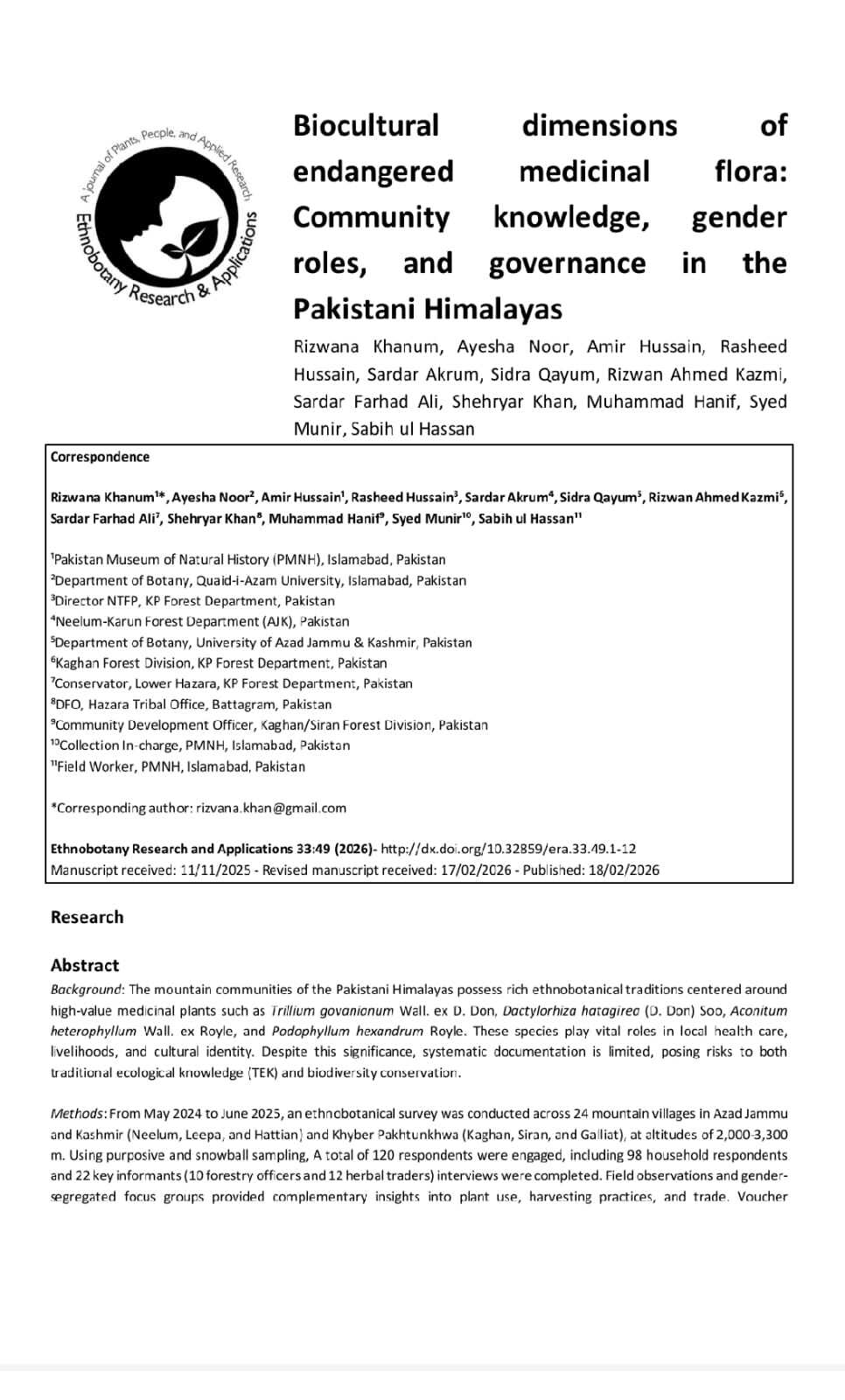
The researchers of Pakistan Museum of Natural History share recent publication of a Q1-ranked article in Ethnobotany Research and Applications .The two-year study (2024-26) highlights Trillium govanianum (Teen Patra) as a flagship endangered species of the Western Himalayas (Pakistan & AJK), supported by the Mohamed bin Zayed Species Conservation Fund.
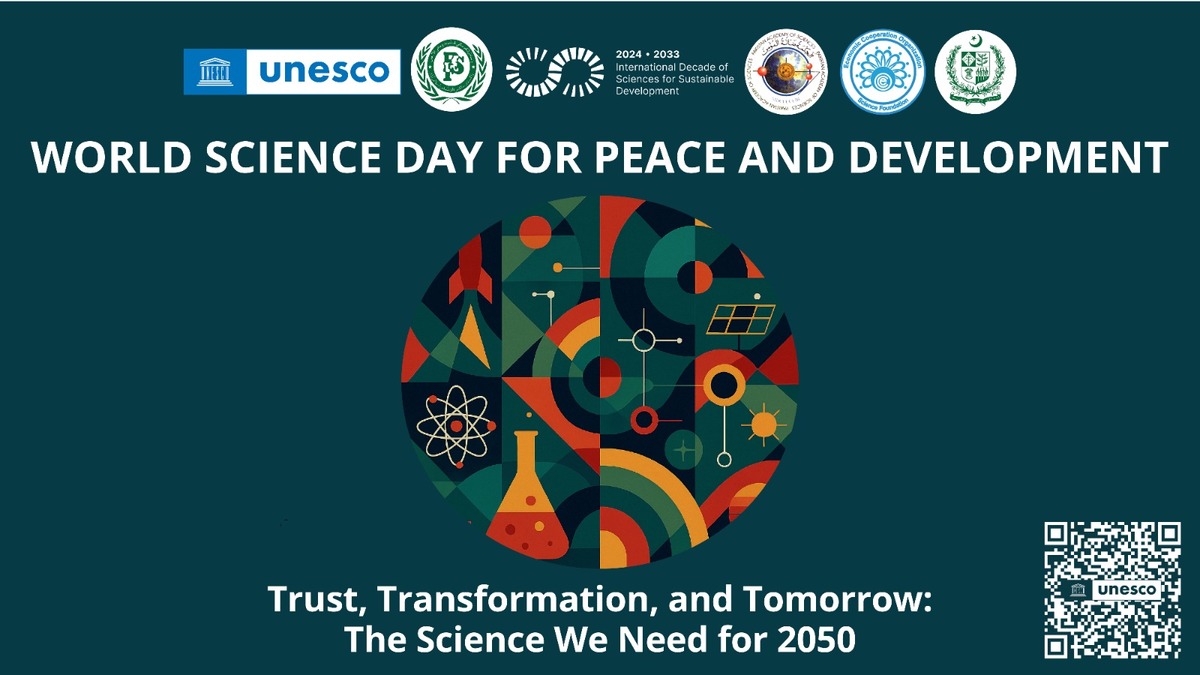
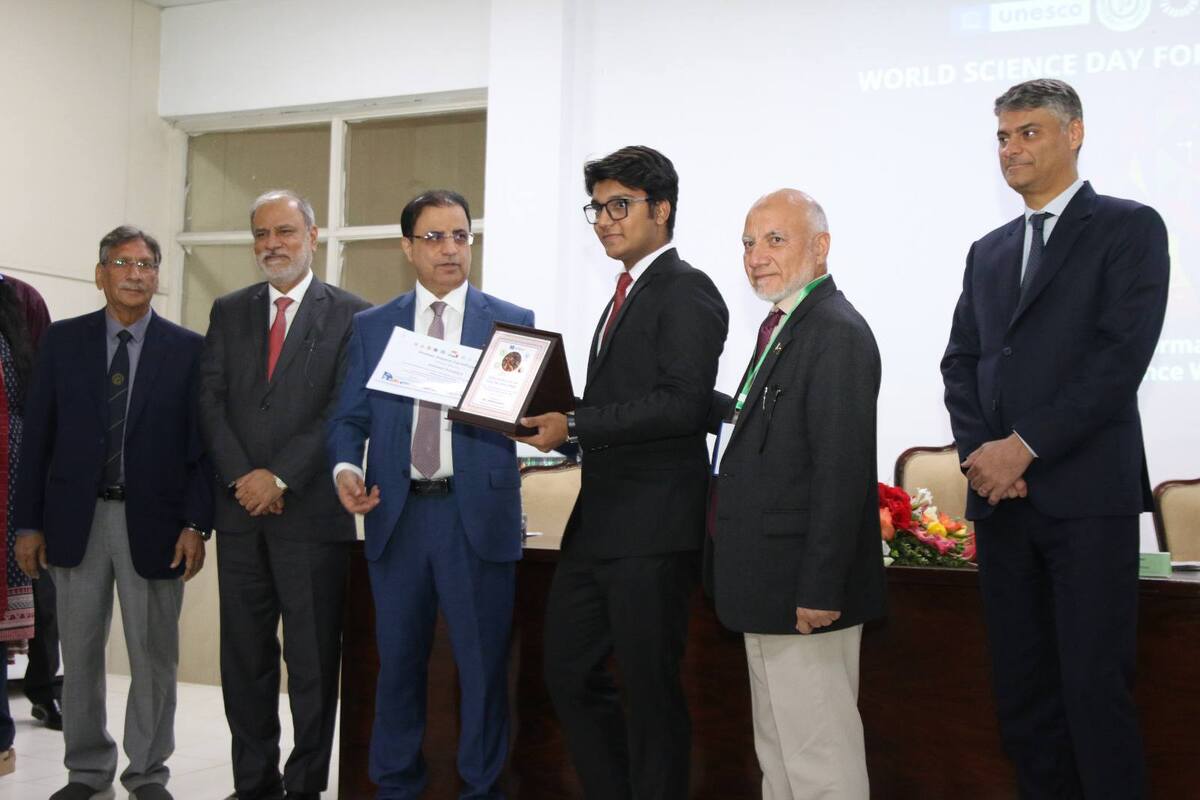
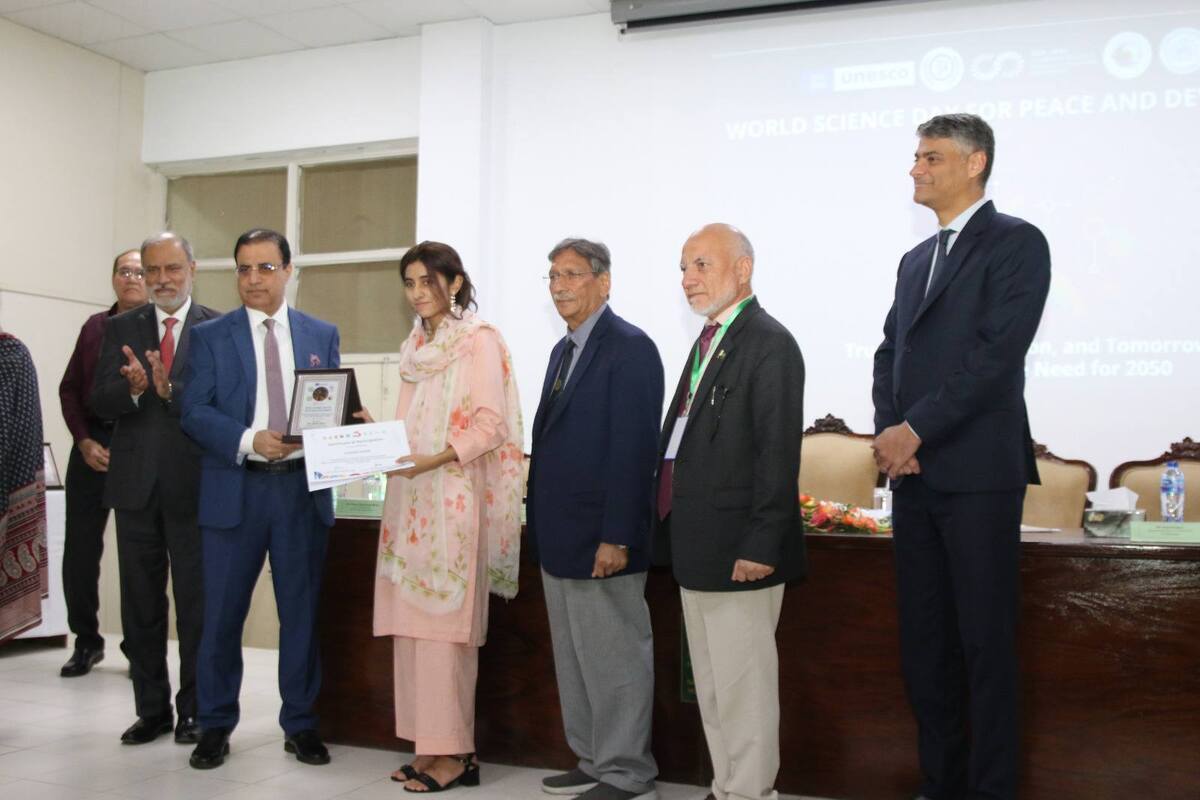
The Pakistan Museum of Natural History (PMNH) celebrated International Science Day with great enthusiasm, highlighting the importance of science, innovation, and research in addressing global challenges. The event featured interactive sessions, scientific demonstrations, and engaging activities designed to inspire curiosity among students and visitors. Experts from various scientific fields shared their knowledge through talks and presentations, emphasizing the role of science in sustainable development and environmental conservation. The celebration reflected PMNH’s ongoing commitment to promoting scientific literacy and encouraging young minds to explore the wonders of nature through the lens of science.

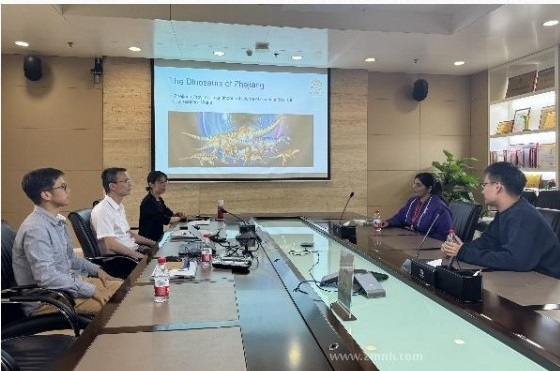
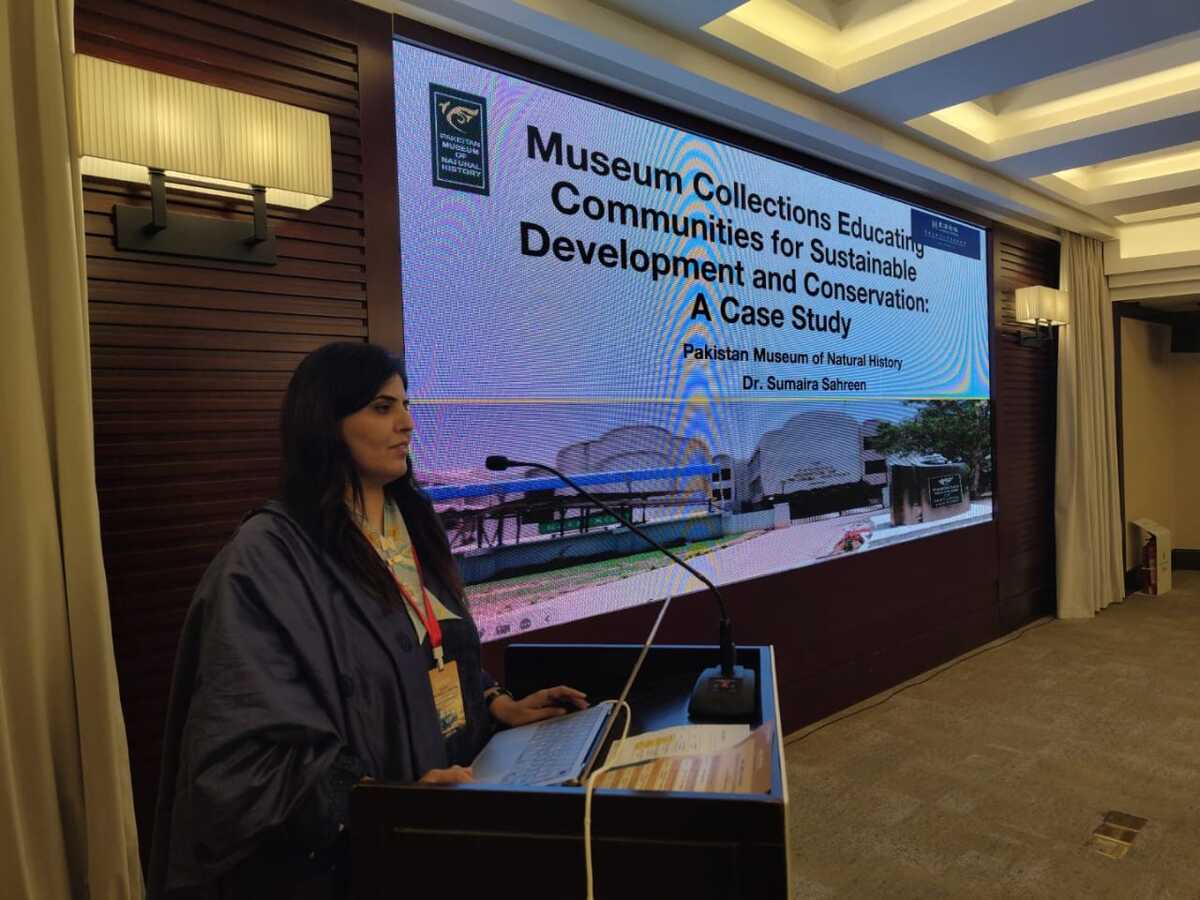
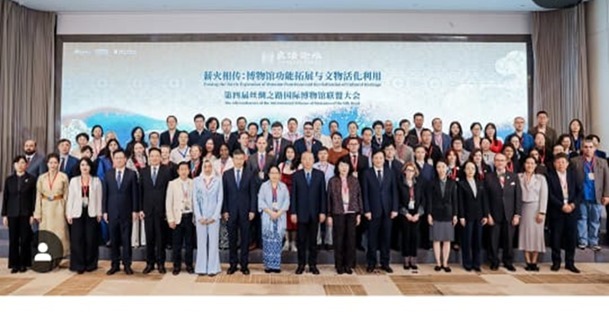
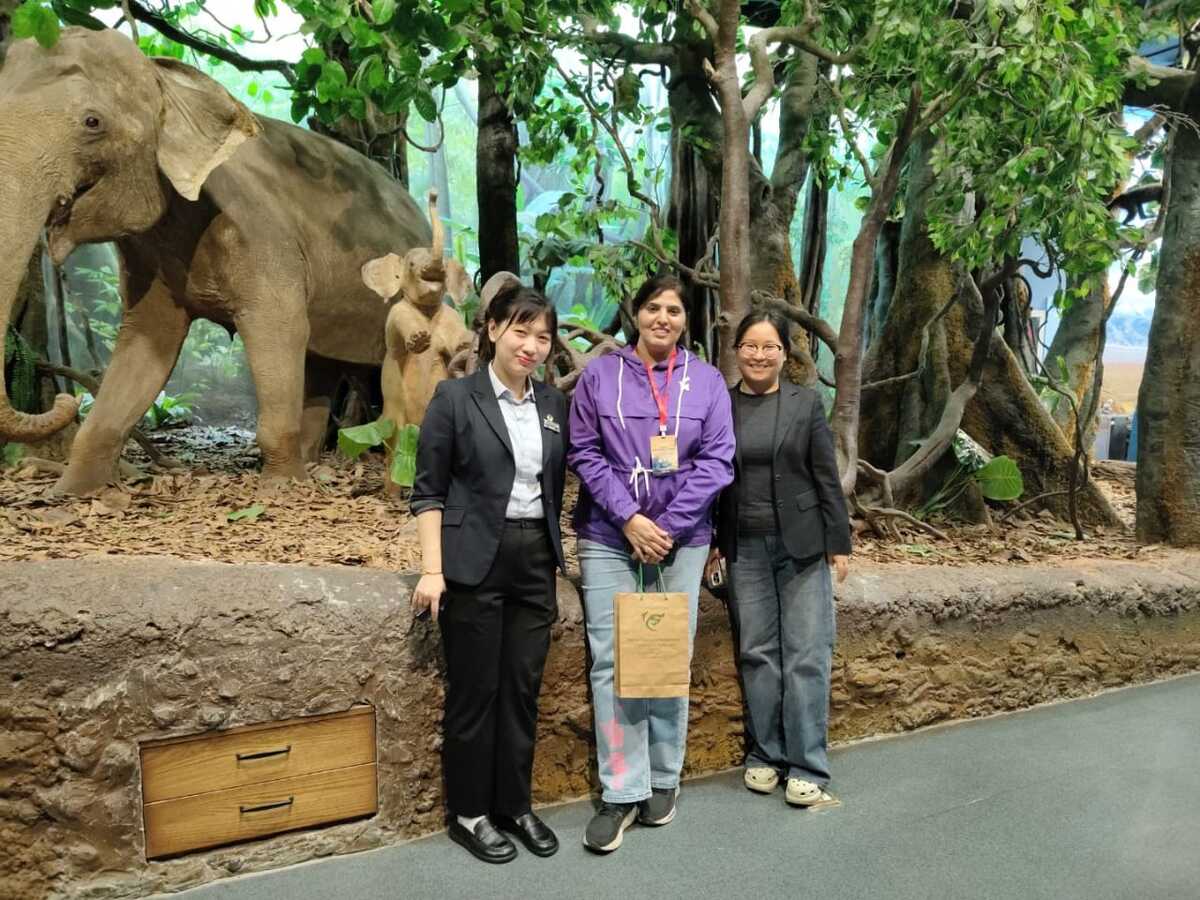
Dr. Sumaira Sahreen represented Pakistan and PMNH at the 4th conference of international Alliance of Museums of the Silk Road (IAMS), with the theme of “Passing the Torch: Expansion of Museum Functions and Revitalization of Cultural Heritage scheduled for October 17-20, 2025. Her talk was about “Museum Collections Educating Communities for Sustainable Development and Conservation: A Case Study” under the theme of Museums and sustainable development. she draw attention of the participants towards achievements and worth of collections and exhibits of PMNH. Complete Paper and slides are attached as ANNEXURE II & III. Exhibit developments of PMNH new blocks were also highlighted for collaboration and innovative practices. This visit is expected to mark the beginning of deeper scientific and cultural collaboration between Pakistan and China in the field of natural history. PMNH looks forward to advancing mutual goals, promoting public understanding of natural heritage, and contributing to strengthened people-to-people ties between the two friendly nations.
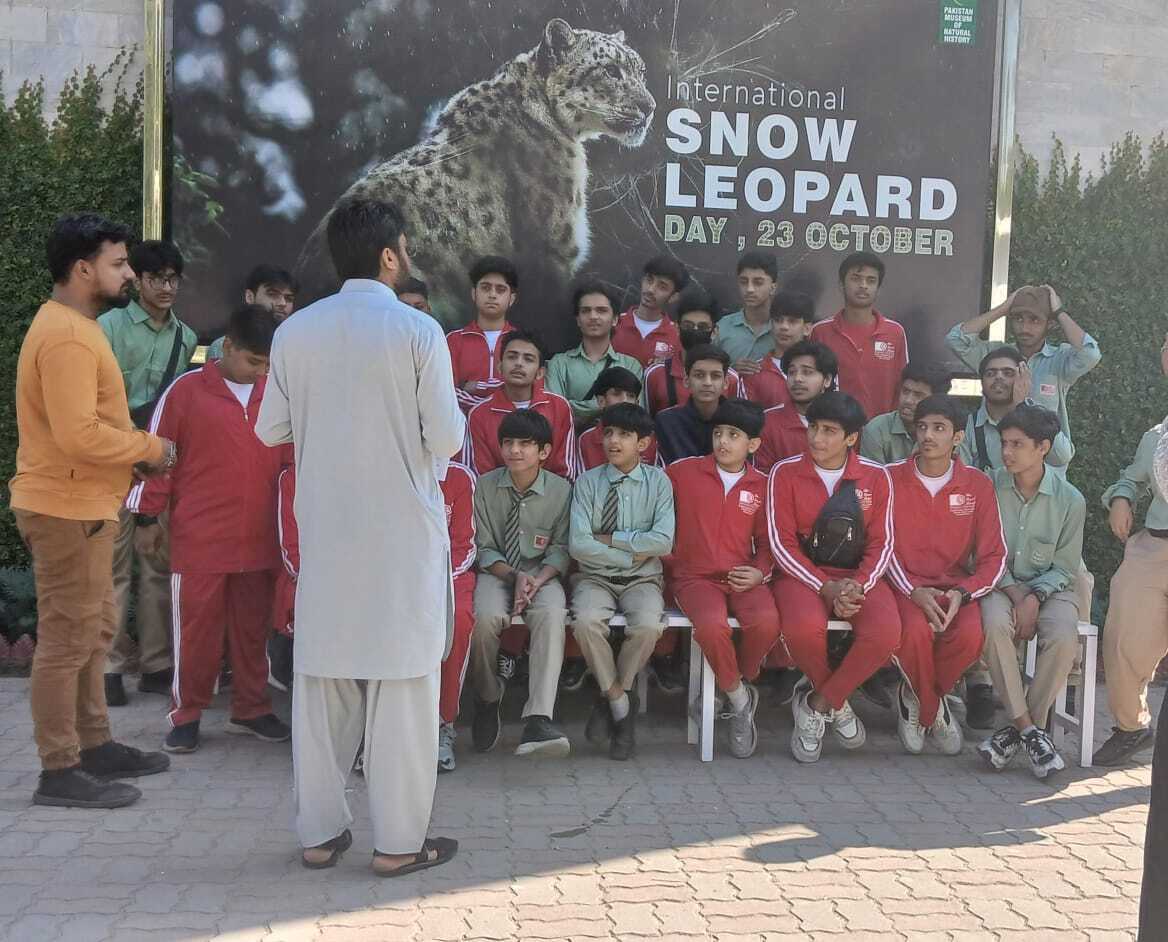
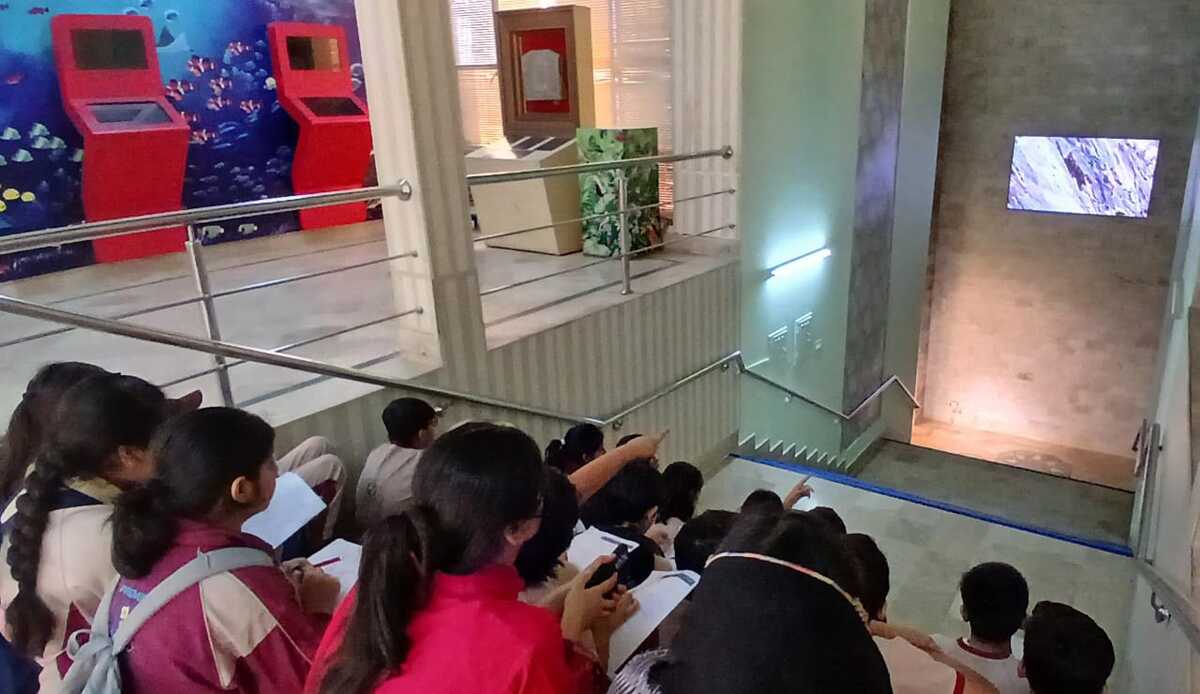
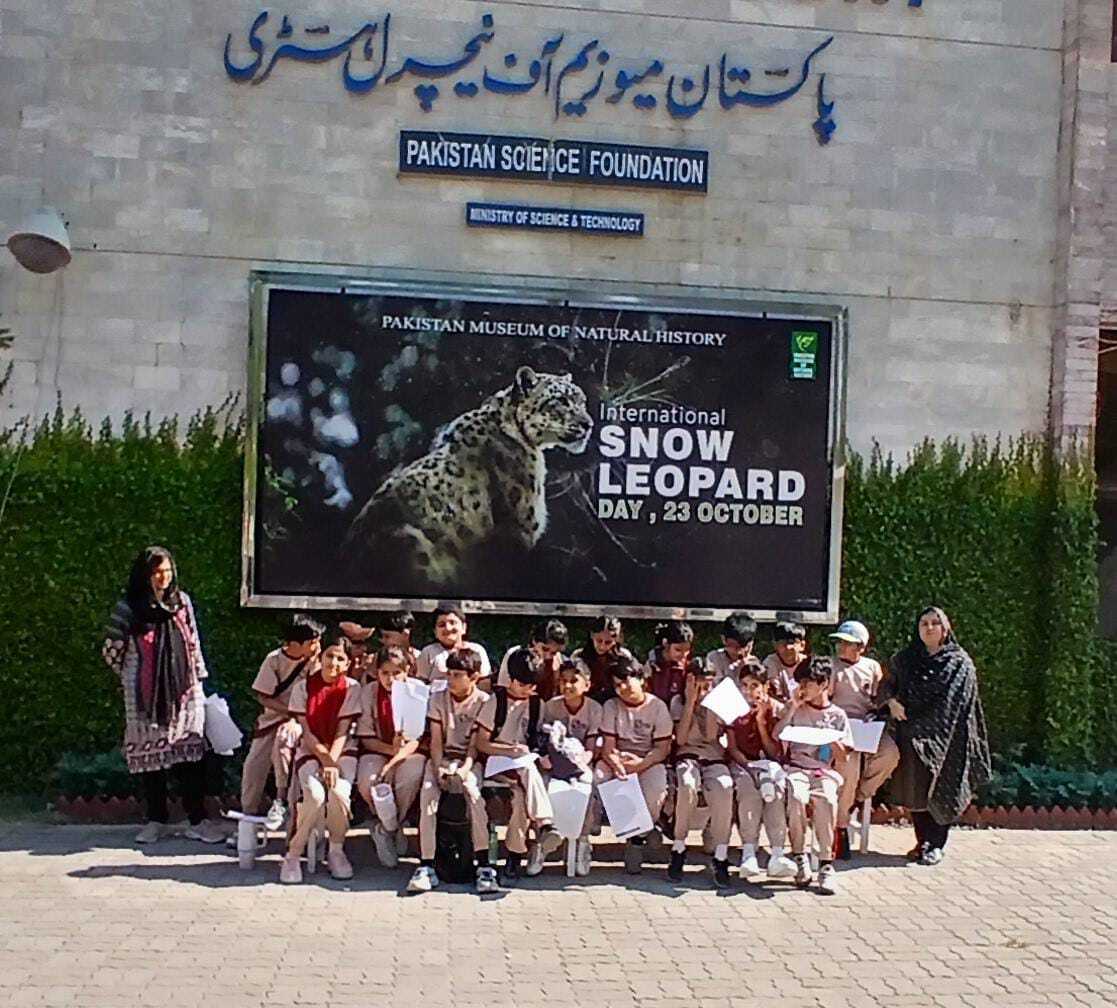
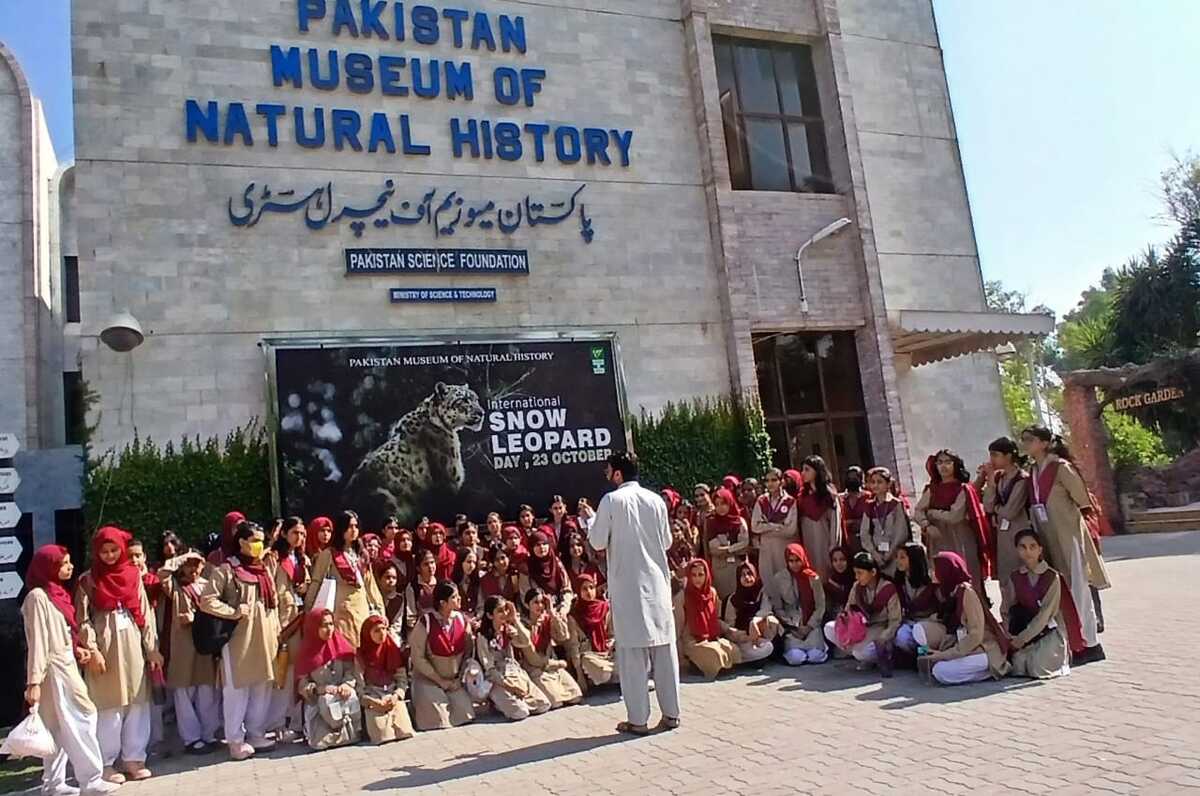
The Pakistan Museum of Natural History (PMNH) celebrated International Snow Leopard Day on October 23, 2025, by organizing a variety of engaging and educational activities for students from different schools. The celebration featured documentary screenings, interactive awareness sessions, and a quiz competition highlighting the importance of snow leopard conservation and biodiversity protection. Students participated enthusiastically in all activities, demonstrating their interest and commitment to learning about wildlife conservation. Winners of the quiz competition were presented with gift prizes as recognition of their active involvement and knowledge. This initiative offered a valuable educational experience, raising awareness among the younger generation about the need to protect snow leopards—a majestic yet endangered species—and to preserve their fragile mountain habitats.
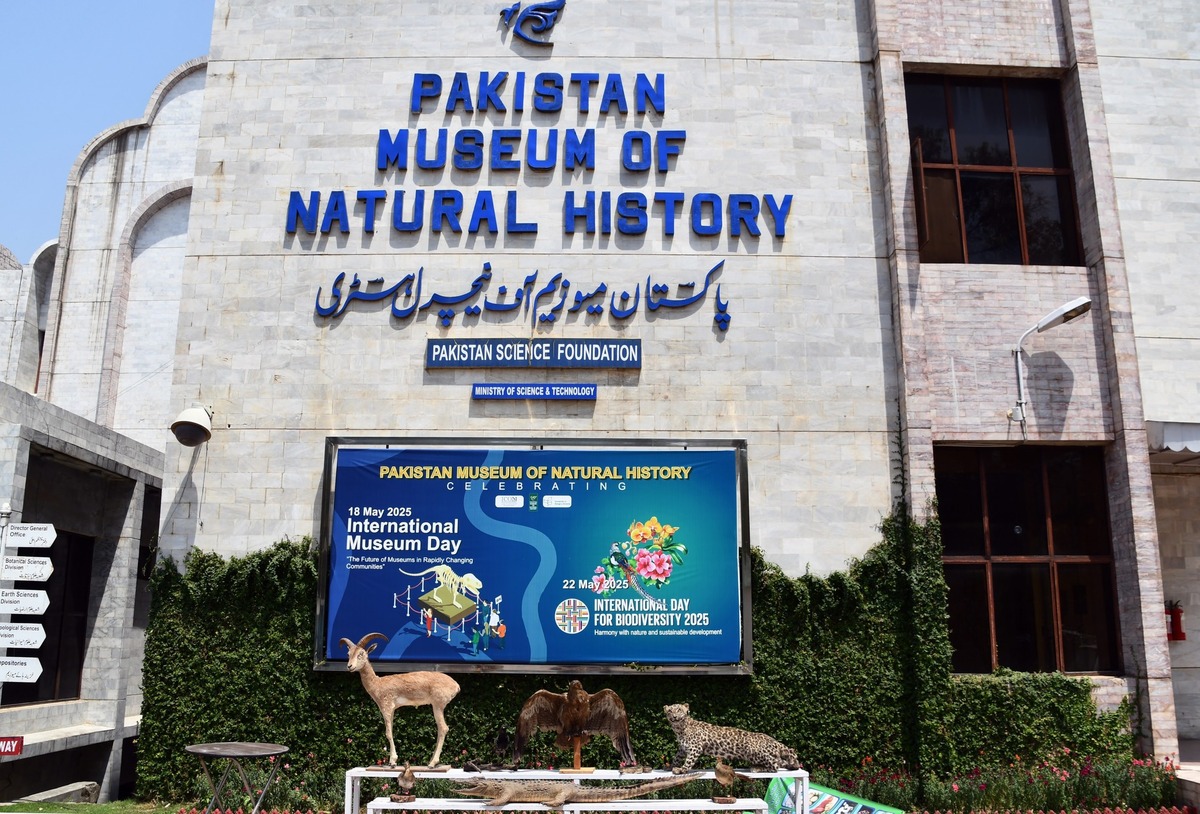
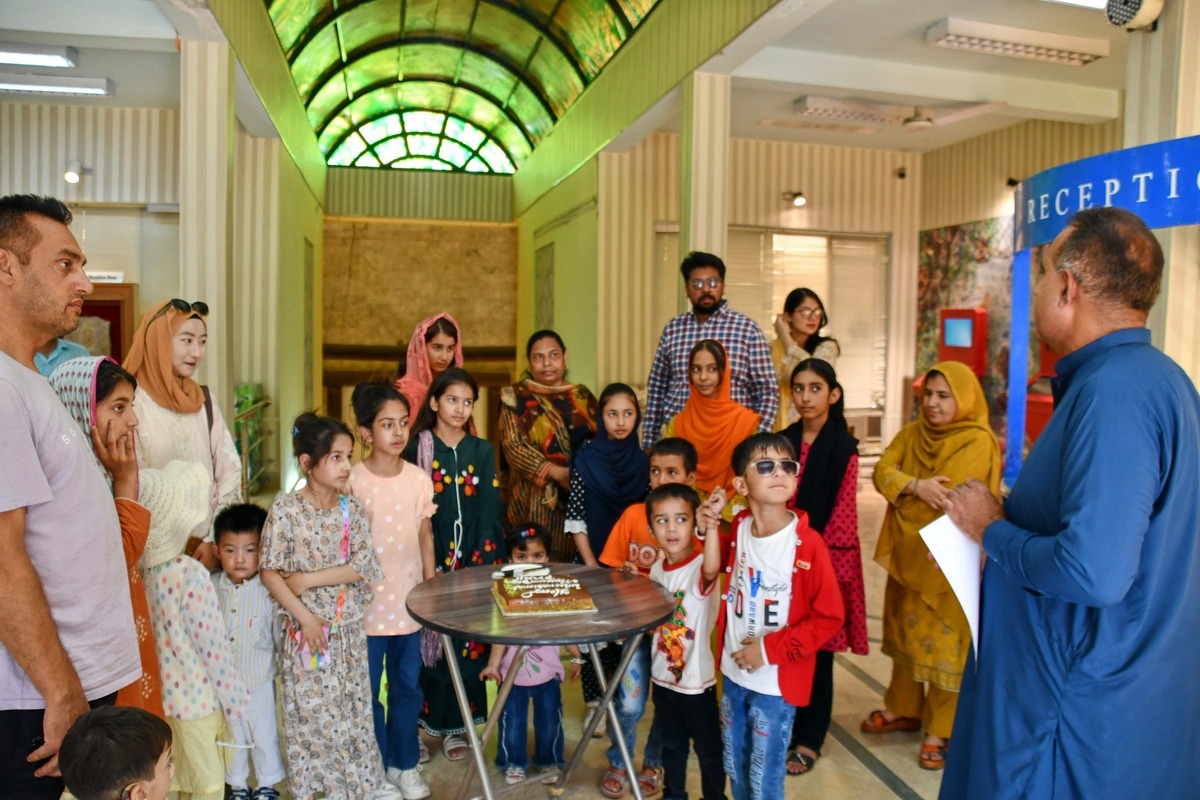
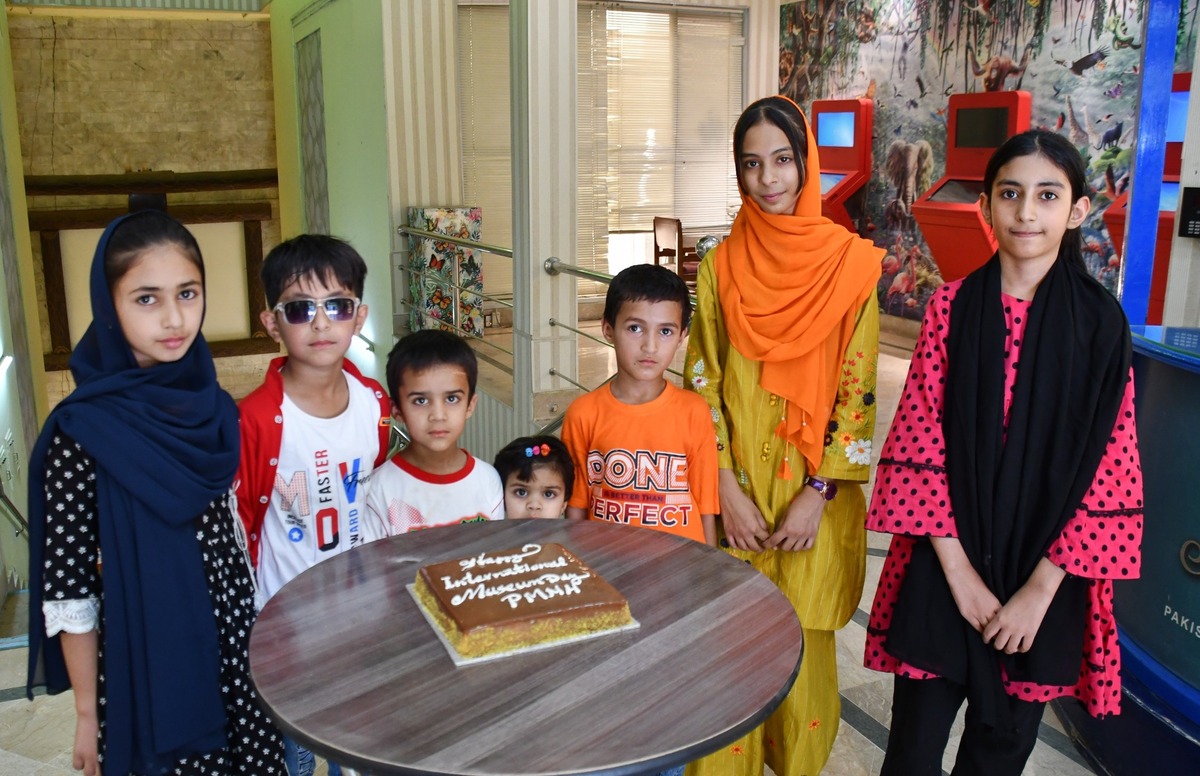
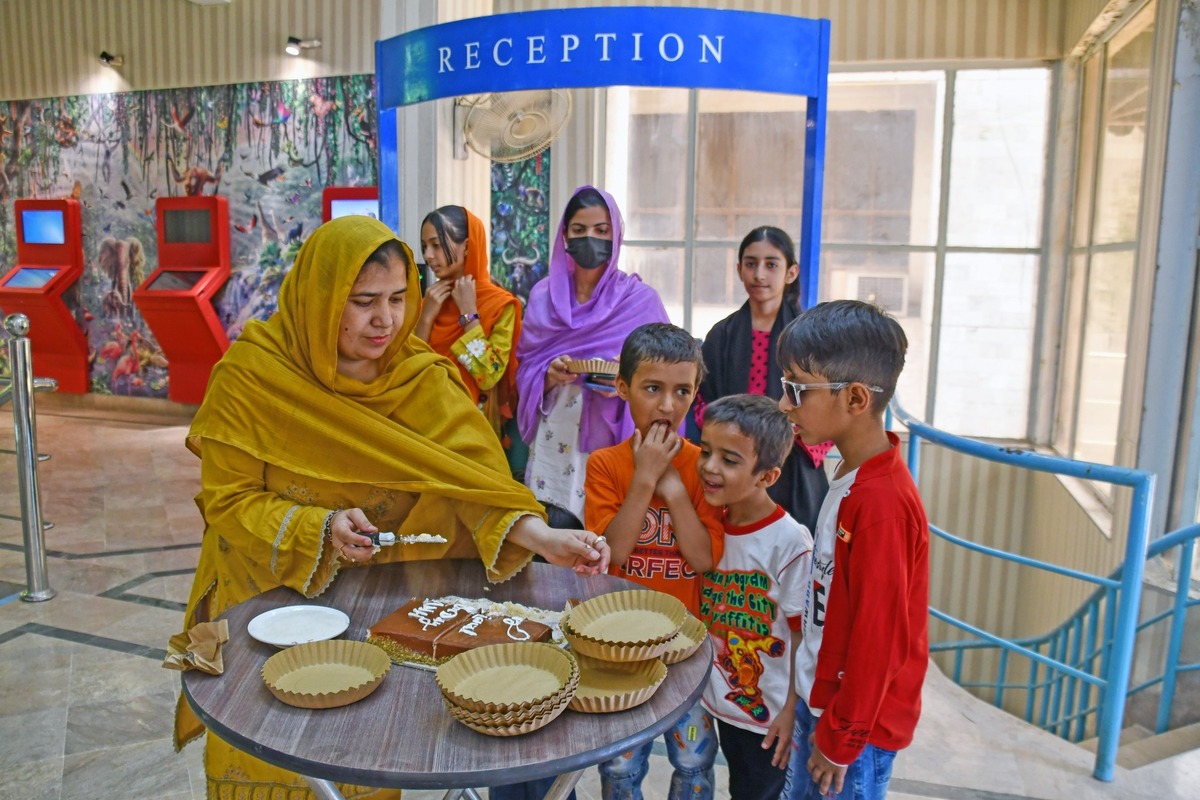
Islamabad, Pakistan – May 18, 2025 – The Pakistan Museum of Natural History (PMNH) in Islamabad is gearing up for a vibrant celebration of International Museum Day (IMD) 2025 under the global theme “Museums for Education and Research.” As one of the country’s premier institutions dedicated to preserving Pakistan’s natural heritage, PMNH will open its doors free of charge, inviting students, families, and researchers to explore its fascinating exhibits on biodiversity, fossils, minerals, and ecological wonders. This special event underscores the museum’s commitment to fostering scientific curiosity, environmental awareness, and lifelong learning—showcasing how museums serve as dynamic hubs for knowledge and discovery. Event Highlight: Free Public Access – A rare opportunity for visitors to engage with Pakistan’s natural history, from prehistoric fossils to rare geological specimens. < Islamabad – May 22, 2025 – The Pakistan Museum of Natural History (PMNH) will mark International Day for Biological Diversity with a special day of exhibitions and programs highlighting Pakistan's rich ecosystems and conservation efforts.